


Sealing the Deal: Selecting the Optimal Lid Type for Kraft Paper Take-Out Containers (Insulation and Leak-Proofing)
Optimizing Lids for Kraft Paper Take-Out Boxes

The performance of a Kraft paper take-out box is often limited by its lid. The lid is the critical component for preventing leaks, ensuring temperature retention, and facilitating transport. B2B buyers face a choice between several lid materials, each offering a distinct balance of sustainability, sealing integrity, and insulation performance.
1. Lid Material Options and Performance Profiles
The ideal lid must match the temperature requirements and the required level of sustainability.
PP/PE Plastic Vented Lids (Conventional)
Pros: Cheapest option, highly leak-proof (due to flexible seal), often vented for steam release (prevents sogginess).
Cons: Not compostable, difficult to recycle when separated from food residue; compromises the "eco" claim of the Kraft box.


PLA/CPLA Lids (Compostable Clear)
Pros: Fully certified compostable (BPI/EN 13432), offers good visual presentation, fits the eco-narrative.
Cons: Not suitable for hot foods over 50°C (PLA softens), limited insulation, often requires a tighter seal and more careful application.
Fiber Vented Lids (Kraft/Bagasse)
Pros: 100% compostable/recyclable, excellent thermal insulation (due to fibrous nature), ideal for preserving heat.
Cons: Higher material cost, sealing is compression-based (not liquid-proof), often requires a clear window insert (which must be certified compostable film).
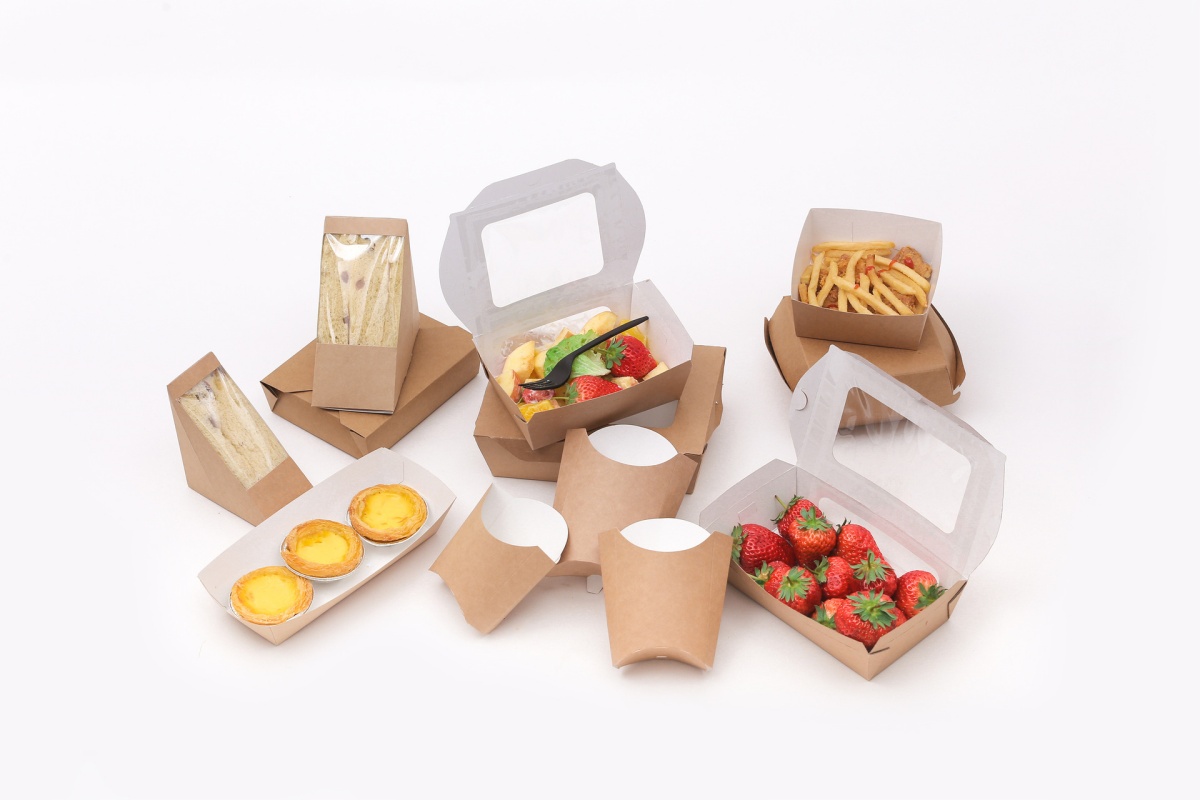
2. Ensuring Leak-Proofing and Sealing Integrity
The seal mechanism is paramount for delivery success and liability mitigation.
Snap-Tight Mechanism
Our Kraft boxes are engineered with a smooth, rigid rim. The corresponding lid (whether CPLA or Fiber) is designed with a precise "snap-fit" tolerance measured in micrometers. This ensures a secure mechanical seal without relying on complex adhesives.
Handle Condensation
Lids must be designed to manage steam condensation (especially for hot foods). Vented holes (usually in the lid center) allow steam to escape, which is critical for reducing pressure and preventing the lid from popping off or the food inside from becoming waterlogged.
Client Advice
For high-liquid contents (soups), a Fiber Lid (Compression Seal) is advisable for insulation, but the B2B client should double-bag or use a secondary adhesive strip for guaranteed spill prevention.
3. Thermal Performance (Insulation)
For hot delivery, a fiber-based lid offers superior thermal performance.
Fiber Lid Advantage
A double-walled or thick bagasse lid acts as a thermal barrier, trapping heat inside the container far more effectively than a thin, clear PLA lid, helping to maintain the food temperature above the safe zone (60°C) during the final mile of delivery.
| Lid Type | Compostable? | Max Temp | Leak Resistance | Insulation | Best For |
|---|---|---|---|---|---|
| PP/PE Plastic | No | High (up to 120°C) | Excellent | Low | Cost-sensitive, high-liquid items |
| PLA/CPLA | Yes (certified) | Low (max 50°C) | Good (with snap-fit) | Low | Cold foods, visual presentation |
| Fiber (Kraft/Bagasse) | Yes (100%) | High (up to 200°C) | Moderate (compression seal) | Excellent | Hot foods, long delivery times |
In summary, selecting the right lid for Kraft take-out boxes requires balancing sustainability, functionality, and cost. PP/PE lids excel in leak-proofing but compromise eco-credentials. PLA lids offer certified compostability but are temperature-limited. Fiber lids deliver superior insulation and full compostability, making them ideal for hot food delivery where heat retention is critical. By understanding these trade-offs, B2B buyers can make informed choices that align with their brand values and operational needs.